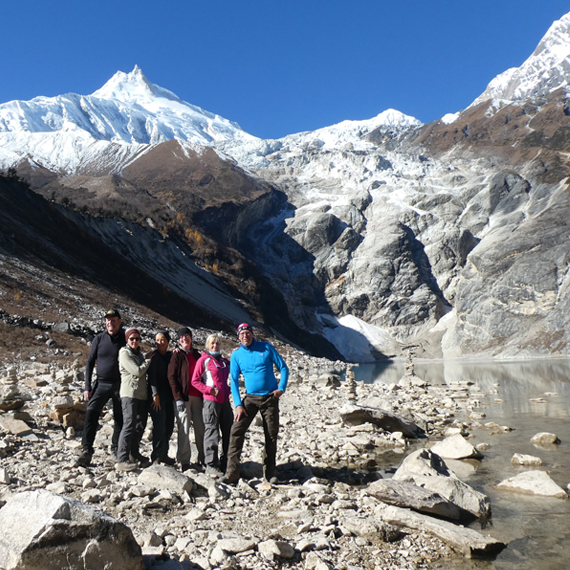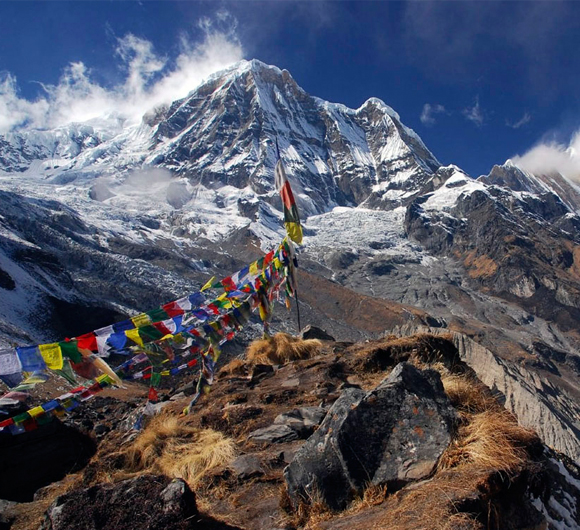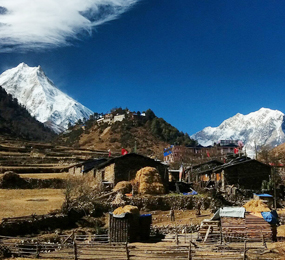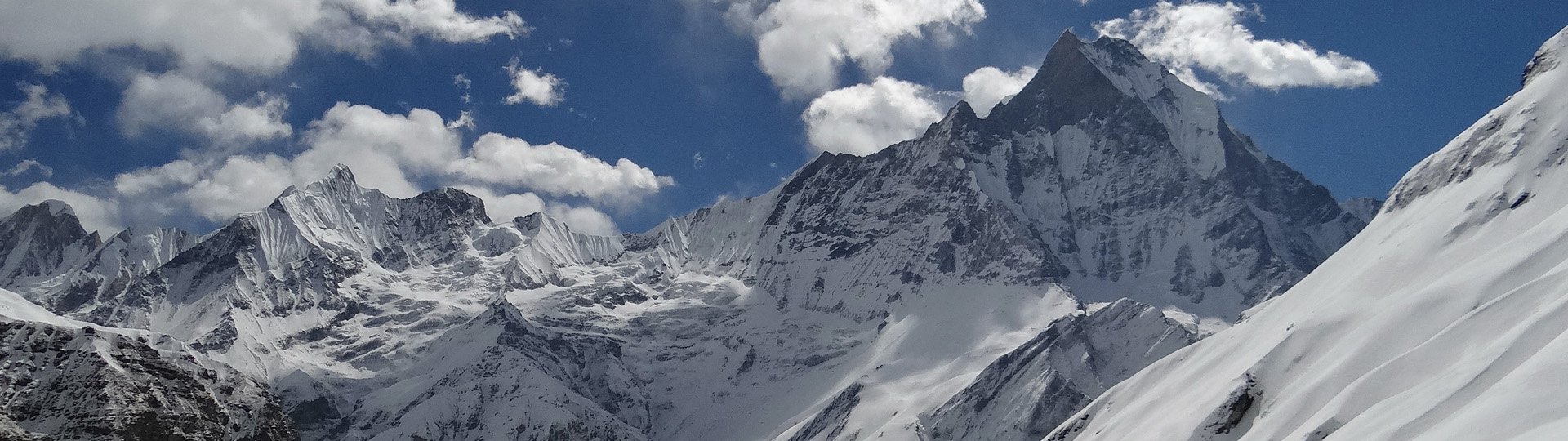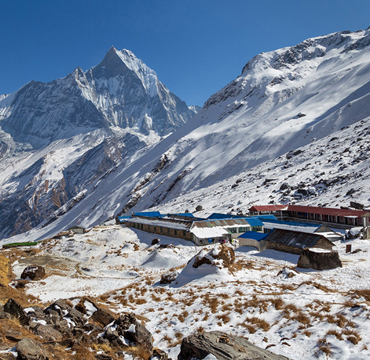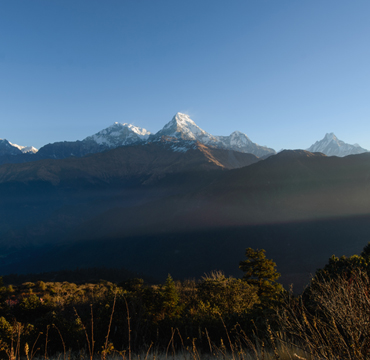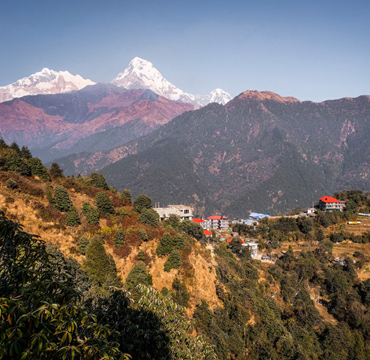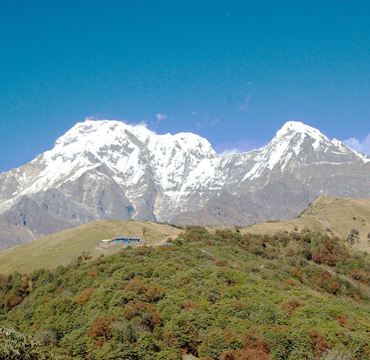
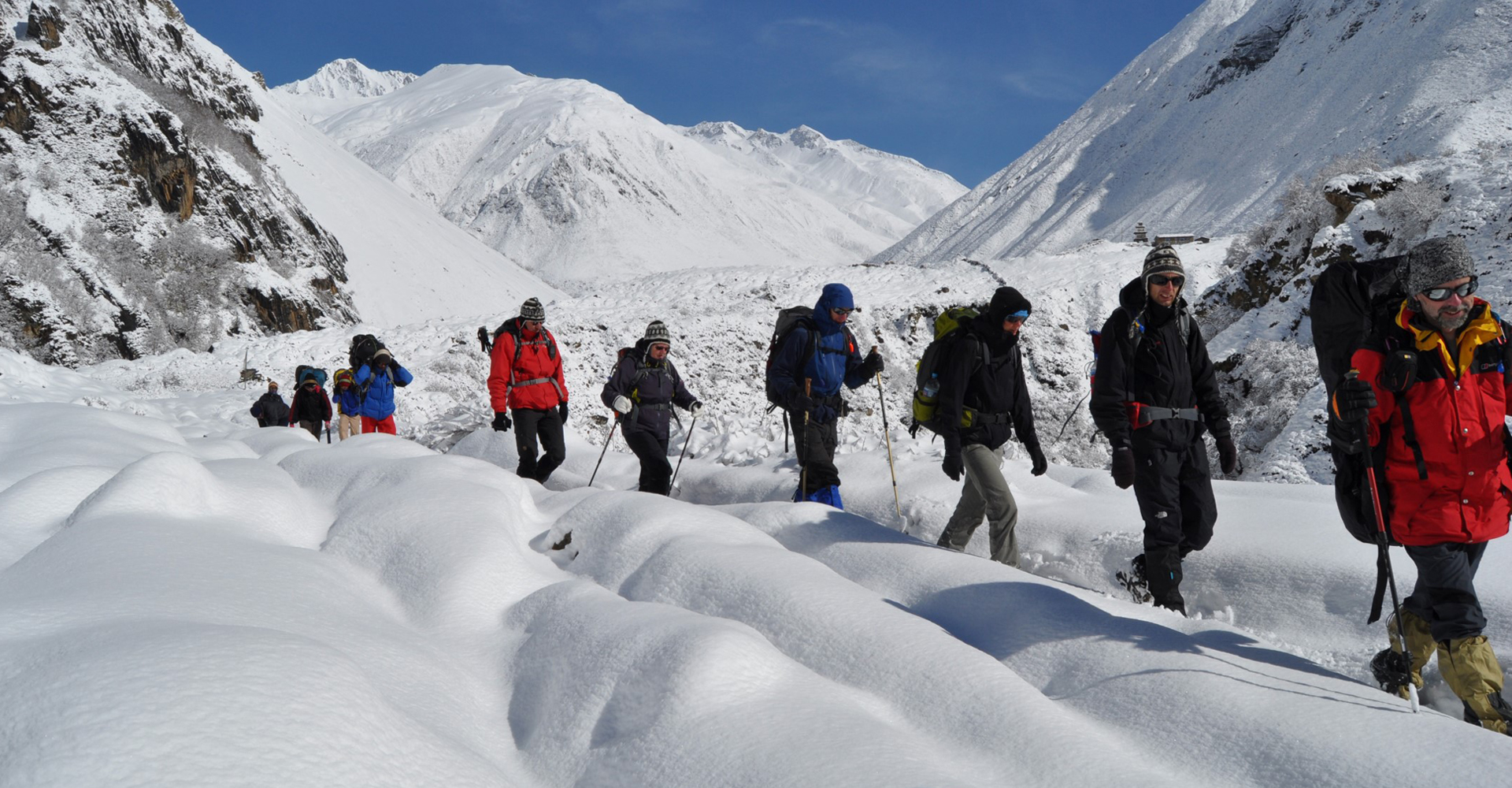
Tsum valley Trekking is situated in the remote north part of Gorkha district of Nepal. The valley is between Baudha Himal and Himal Chuli to the west, Ganesh Himal to the south and Sringi Himal to the north. Due to its remote position, scarce information and advertising, trekking to this area was only open in October, 2007. The name 'Tsum' originates from the Tibetan word 'Tsombo' means vivid. True to its meaning Tsum valley right up to the present day has closely secured its distinct identity and resources of clear streams, teeming vegetation, high mountain, cascading waterfalls, perfect hot springs and ancient relics. One of principal attributes of this trek is the people and their exceptional culture and lifestyle follow for many long generations. People here never kill animals, even as forfeit to the gods. Tsum Valley is bounded by the Buddha Himal and Himal Chuli to the west, Ganesh Himal to the south and Sringi Himal to the North. People are in this Valley still practice polyandry system and they have their own unique culture, tradition and dialect. They commemorate unique festival like Faning, Saka Dawa, Dhacyhang, Lhosar and others. The people are Tibetan derivation with society, environment, lifestyle and spiritual values in Tsum valley once you trek over there. Though the Larkya La is not a difficult pass, the trek around Manaslu trekking is harder than most in Nepal. Trails are sprinkled with creative chortles and lined with mani walls made of thousands of rock slabs carved with deity and prayer.
The Tsum valley has a long history of Buddhism. The Buddhist saint Milarepa is believed to have meditate in the caves of their mountains. In many places the walls of the Budhi Gandaki valley are perpendicular, so you cannot walk along the bottom of the valley. The Tsum valley trekking gives the impressive views of HImalaya around it such as Sringi Himal, Boudha Himal ranges and Ganesh Himal, Tsum valley trekking tranquil Himalayan valley is rich in antique art, society and art religion. There is a huge amount of wasted climbing involved during the first part of the trek as you climb up and down over ridges or onto shelves to bypass cliffs. The trail is rough and steep and it often literally hangs on a bluff high above the river. The trek is remote and has no rescue facilities or opportunities to bail out if you are tired. These people speak diverse language and even they aver that they have. Due to its isolation and inaccessibility, this holy valley has been bypass by typical development and the exceptional society has remained intact. There is only one facility that might conceivably be called a trekkers' hotel and there are few English signboards between Arughat, Bhimtang, Tilje Dharapani which is main trail to Annapurna Thorong La pass in Annapurna region.
Day 01 Drive from Kathmandu to Arughat (570m.) and overnight tent camp or hotel.
Day 02 Trek from Arughat to Liding (870m.) and overnight tent camp.
Day 03 Trek from Liding to Machha Khola (940m.) and overnight tent camp.
Day 04 Trek from Machha Khola to Jagat (1420m.) and overnight tent camp.
Day 05 Trek from Jagat to Lokpa (2050m.) and overnight tent camp.
Day 06 Trek from Lokpa to Chumling (2365m.) and overnight tent camp.
Day 07 Trek from Chumling to Chhokangparo (3025m.) and overnight tent camp.
Day 08 Trek from Chhokangparo to Chhule-Nile (3365m.) and overnight tent camp.
Day 09 Trek from Chhule-Nile to Mu Gumpa (3710m.) and overnight tent camp.
Day 10 Trek from Mu Gumpa to Rachen Gumpa (3245m.) and overnight tent camp.
Day 11 Trek from Rachen Gumpa to Dhumje (2445m.) and overnight tent camp.
Day 12 Trek from Dhumje to Gumba Lungdang (3210m.) and overnight tent camp.
Day 13 Trek from Gumba Lungdang to Ripchet (2470m.) and overnight tent camp.
Day 14 Trek from Ripchet to Doban (1075m.) and overnight tent camp.
Day 15 Trek from Doban to Soti Khola (730m.) and overnight tent camp.
Day 16 Trek from Soti Khola to Arughat (570m.) and overnight tent camp.
Day 17 All the way drive from Arughat to Kathmandu and overnight hotel.