

Welcome to the World of Travel and Discovery, where your guide is ready to lead you on unforgettable adventures and explorations across Nepal.
Welcome to discover the Beauty of Nepal and Beyond to the ultimate guide to exploring Nepal a land of majestic mountains, ancient traditions, vibrant cultures, and unforgettable adventures. Whether you're an adrenaline seeker dreaming of Himalayan treks, a culture enthusiast eager to explore centuries-old temples, or a traveler searching for peaceful escapes in nature, Nepal offers experiences that leave lasting impressions. This blog is designed to inspire and guide your journeys with curated travel insights, practical tips, destination highlights, and hidden gems waiting to be discovered. From the bustling streets of Kathmandu to the serene beauty of the Himalayas, every corner of Nepal tells a story worth experiencing. Travel is more than simply visiting new places it’s about connecting with people, embracing different cultures, stepping outside your comfort zone, and creating memories that stay with you forever. Through this blog, you’ll uncover breathtaking destinations, meaningful experiences, and inspiration to explore the world with curiosity and wonder. Get ready to embark on unforgettable adventures, one destination at a time.
Popular Destinations
01. Kathmandu Valley
Kathmandu valley is a historic and cultural valley located in central Nepal. It is surrounded by green hills and includes three major cities: Kathmandu, Lalitpur (Patan), and Bhaktapur. The valley lies at an average altitude of about 1,400 meters above sea level and serves as the political, cultural, and economic center of Nepal. Kathmandu Valley is famous for its ancient temples, palaces, monasteries, and traditional Newari culture. It has been an important trade and civilization center for centuries. Many historical monuments in the valley are recognized as UNESCO World Heritage Sites, including the Durbar Squares of Kathmandu, Patan, and Bhaktapur; the Buddhist stupas of Swayambhunath and Boudhanath; and the Hindu temples of Pashupatinath and Changu Narayan. The valley has a moderate climate with warm summers and cool winters. It is also known for festivals, art, wood carving, metal crafts, and traditional architecture. The Bagmati River flows through the valley and holds religious importance for Hindus and Buddhists. Kathmandu valley is the most developed and populated region of Nepal, combining ancient heritage with modern urban life.
02. Pokhara
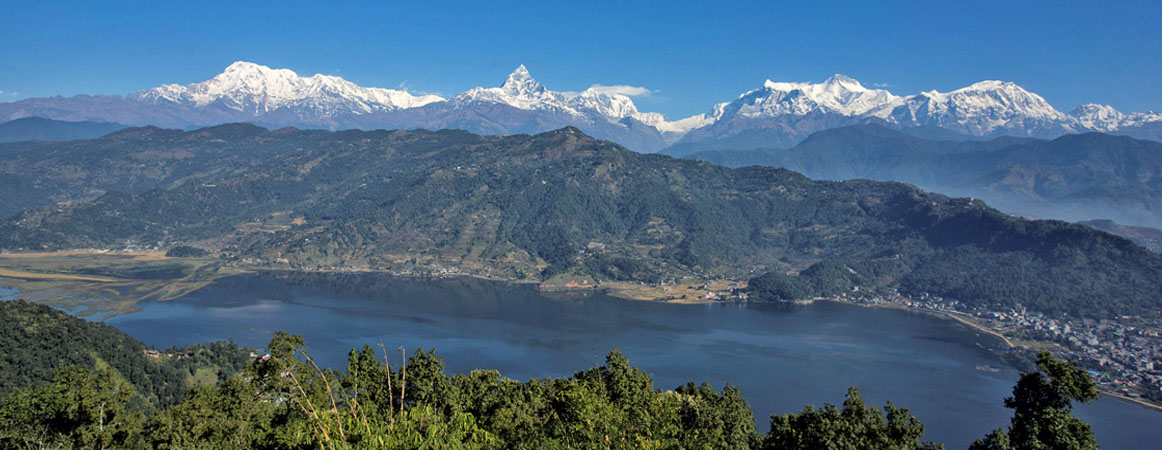
Pokhara valley is one of the most important and scenic regions in central Nepal, located in the western part of the country. It lies in the Kaski District of Gandaki Province and is surrounded by the Annapurna mountain range to the north, creating a dramatic landscape of high mountains and a low, flat valley floor. The valley is centered around the city of Pokhara, which is the main urban and tourism hub of the region. Pokhara is known for its natural beauty, relaxed atmosphere, and role as a gateway for trekking into the Annapurna trekking region. Geographically, the Pokhara Valley is relatively low in elevation compared to the surrounding Himalayas, which allows for a warmer and more humid climate. It features fertile land, green hills, rivers, and several lakes formed by glacial and river activity. The most famous of these is Phewa Lake, which reflects views of the Annapurna range on clear days. The valley is also rich in underground water systems and caves due to its limestone geology. Water from surrounding mountains flows through rivers and springs, making the area lush and suitable for agriculture. Culturally, Pokhara valley is diverse, with communities such as Gurung, Magar, Brahmin and Chhetri living together. This mix of cultures contributes to varied traditions, festivals, and lifestyles. Pokhara valley is a major center for tourism in Nepal. It attracts visitors for trekking in Nepal, boating, paragliding, and sightseeing, especially due to its close proximity to popular Himalayan trekking routes like Annapurna Base Camp. Pokhara valley is a unique combination of natural beauty, cultural diversity and adventure tourism, making it one of Nepal’s most important and well-known regions.
03. Chitwan National Park
Jungle safaris experience in Chitwan National Park is one of Nepal’s most celebrated destinations for wildlife and jungle adventure, set in the subtropical lowlands of south-central Nepal. Recognized as a UNESCO World Heritage Site, the park spans dense forests, open grasslands, and riverine wetlands that support an exceptional range of biodiversity. Visitors come here for classic jungle safaris by jeep, canoe, or guided nature walks offering opportunities to spot iconic wildlife such as the Bengal tiger, one-horned rhinoceros, deer species, wild boar, and hundreds of birds. Canoe trips along rivers like the Rapti River are especially popular for crocodile sightings and peaceful landscape views. Beyond wildlife, Chitwan offers meaningful cultural experiences through the indigenous Tharu people. Visitors can explore nearby villages, learn about traditional lifestyles, and enjoy vibrant cultural dances performed in the evenings. Conservation is a major focus here, and protected ecosystems help maintain one of South Asia’s richest habitats. The best time to visit is generally October to March, when the weather is dry and animal sightings are more frequent. Overall, Chitwan combines adventure, nature, and cultural immersion into one of Nepal’s most rewarding travel experiences.
04. Annapurna Trekking Region:-
Annapurna trekking region in central Nepal is one of the country’s most popular and diverse trekking destinations, known for its dramatic Himalayan scenery, rich cultural encounters and varied trekking routes. At its heart lies the Annapurna Massif, home to towering peaks such as Annapurna I, Annapurna South, Machapuchare (Fishtail Mountain), and nearby Dhaulagiri. The region is also part of the protected Annapurna Conservation Area, which preserves its unique biodiversity, including rhododendron forests, alpine meadows, and rare wildlife. Popular trekking routes include the classic Annapurna Base Camp Trek, the scenic sunrise viewpoint trek to Ghorepani Poon Hill Trek, and the less crowded but increasingly popular Mardi Himal Trek. Along these trails, trekkers pass through traditional Gurung and Magar villages, where local culture, hospitality and mountain lifestyles are a key part of the experience. Annapurna trekking region offers a blend of high Himalayan panoramas, cultural richness and accessible trekking options for both beginners and experienced hikers.
05. Langtang Trekking Region:-
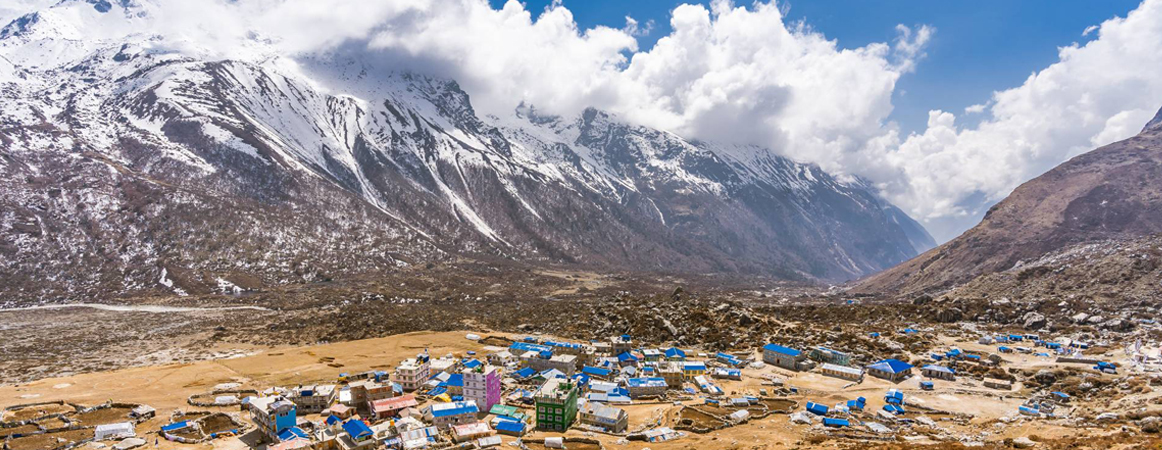
Langtang valley is one of Nepal’s most accessible Himalayan trekking regions, located just north of Kathmandu. A journey here combines a scenic mountain drive with an immersive trek through alpine landscapes, traditional villages, and rich biodiversity. The route typically begins with a winding drive from Kathmandu to Dhunche Bazaar, the main gateway to the Langtang trekking region. The drive itself is dramatic climbing alongside rivers, terraced hillsides, and distant snow-capped peaks. Dhunche blends local Sherpa and Gurung cultural influences with basic modern facilities, making it a common overnight stop before trekking. From Dhunche, the trek enters the protected wilderness of Langtang National Park. Trails pass through dense rhododendron and bamboo forests, yak pastures, and traditional Tamang settlements, gradually opening up to wide glacier valleys framed by towering Himalayan peaks. What makes the Langtang trekking region especially popular is its balance of accessibility and wilderness. Compared to longer expeditions in Nepal, it offers relatively short travel time from Kathmandu while still delivering close-up views of the high Himalayas, including glaciers and dramatic ridgelines. It’s also known for its quieter trails and strong local culture, making it appealing for trekkers looking for a more peaceful experience.
06. Everest Trekking Region:-
Everest trekking region in east Nepal is one of the world’s most iconic mountain destinations, centered around Mount Everest and the surrounding trails within Sagarmatha National Park. Most travelers experience it in one of two ways: a full trek to Everest Base Camp or a scenic mountain flight over the Himalayas. The trek is a multi-day journey through high-altitude valleys, suspension bridges, and Sherpa villages, with Namche Bazar serving as the main acclimatization hub. Namche blends traditional Sherpa culture with modern cafes, lodges, and trekking services, making it both a cultural stop and a practical resting point. The region is known for its dramatic landscapes, including views of Everest, Lhotse, Ama Dablam, and surrounding peaks. Along the way, trekkers pass through Buddhist monasteries, alpine forests, and rugged glacial terrain, while encountering Himalayan wildlife such as musk deer and snow pigeons.
Popular Treks
01. Annapurna Base Camp Trek (ABC)
Duration:- 07-14 days
Difficulty:- Moderate
Highlights:- Views of Annapurna South, Machhapuchhre, Hiunchuli and many more..
02. Langtang Gosainkunda Helambu Trek
Duration:- 8-14 days
Difficulty:- Moderate
Highlights:- Sacred lakes, Tamang and Gurung culture, Himalayan views.
03. Everest Base Camp Trek (EBC)
Duration:- 14-15 days and We recommend 15 days.
Difficulty:- Challenging
Highlights:- Khumbu Glacier, Kala Patthar and Sherpa culture.
04. Manaslu Circuit Trek also call Manaslu Base Camp Trek
Duration:- 14-17 days
Difficulty:- Strenuous
Highlights:- Larkya La Pass (5106m.), remote villages and Buddhist monasteries.
Best Time to Visit Nepal
Spring (March-May):- Perfect for trekking with blooming rhododendrons and clear skies.
Autumn (September-November):- Ideal for trekking and sightseeing with dry weather and unobstructed mountain views.
Winter (December-February):- Best for cultural tours and lower-altitude treks.
Monsoon (June-August):- Green landscapes and fewer crowds but limited trekking opportunities due to rain.
Travel Tips
Permits:- Most trekking routes require permits like the TIMS card and Annapurna Consernation, Langtang National Park or Sagarmatha National Park permits.
Packing Essentials:- Include trekking boots, layers for changing weather, and a first-aid kit.
Stay Hydrated:- Avoid dehydration, especially at higher altitudes.
Hire a Guide and Porter:- Local guides enhance your experience byt government register trekking company with cultural insights and navigation expertise.
Respect Local Culture:- Dress modestly, and always ask for permission before photographing people or religious sites.
Final Thoughts
Nepal is more than a destination it’s an experience that stays with you forever. From the grandeur of the Himalayas to the warmth of its people, Nepal promises memories of a lifetime. Ready to explore? Pack your bags and embark on the adventure of a lifetime.
Sustainable Travel
Travel responsibly to ensure that future generations can enjoy the beauty of our planet. Opt for eco-friendly accommodations, support local businesses, and minimize waste during your trips.